Top Skills That May Help You Work in a Warehouse
Warehouse work can involve organization, teamwork, safety awareness and the ability to complete daily tasks accurately. Learn about some of the practical skills commonly used in warehouse environments.
Ads
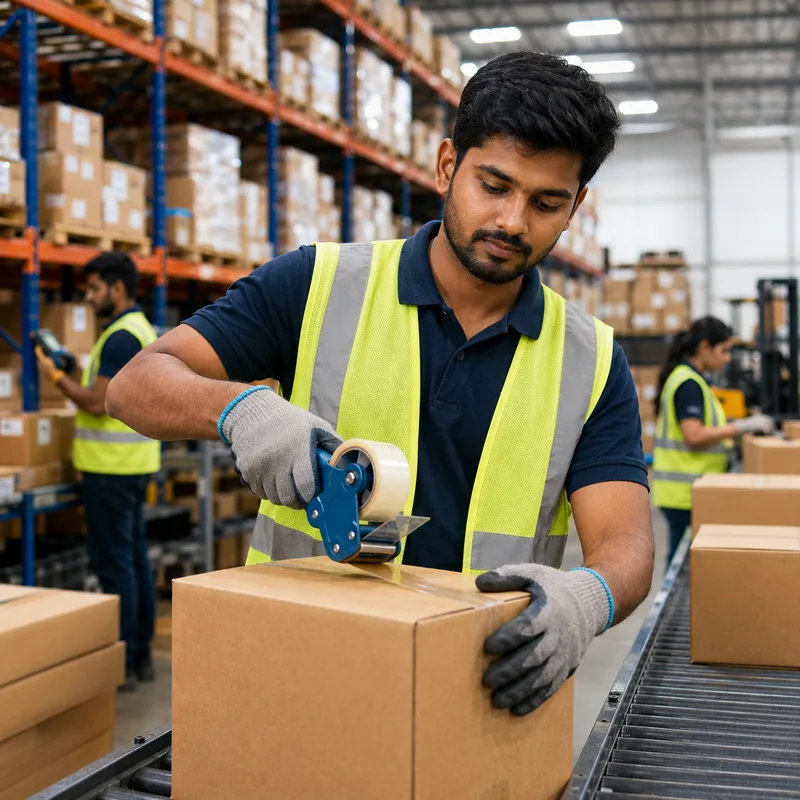
Understanding Warehouse Skills
Warehouses support many parts of the supply chain. They may receive products, store inventory, prepare orders, pack items and help move goods between different locations.
The exact responsibilities can vary depending on the company, warehouse size, industry and type of product being handled. However, many warehouse environments rely on a similar group of practical and professional skills.
Warehouse skills are not limited to physical tasks. Organization, communication, accuracy, reliability and the ability to follow procedures can also be important in day-to-day operations.
10 Skills Commonly Used in Warehouse Work
Organization
Warehouses often contain many products, shelves, labels and storage areas. Organizational skills can help workers place items in the correct location, maintain clear work areas and reduce confusion during busy shifts.
Attention to Detail
Small details can matter when checking product codes, quantities, labels, addresses and order information. Paying attention to these details may help reduce packing, sorting and inventory mistakes.
Time Management
Warehouse teams may work with daily targets, dispatch schedules or specific order deadlines. Time management involves prioritising tasks and maintaining a steady pace without ignoring accuracy or safety.
Teamwork
Receiving, sorting, packing and dispatching products often involve several people. Teamwork can make it easier to share information, coordinate activities and complete tasks efficiently.
Communication
Clear communication can help workers report missing products, damaged items, safety concerns or changes in instructions. It can also support better coordination between employees, supervisors and drivers.
Safety Awareness
Warehouse environments may include shelves, loading areas, moving equipment and heavy products. Workers may need to follow safety instructions, use protective equipment and remain aware of their surroundings.
Reliability
Warehouse operations depend on employees arriving on time, following schedules and completing assigned responsibilities. Reliability can help teams plan workloads and maintain consistent operations.
Basic Technology Skills
Some warehouses use barcode scanners, inventory systems, mobile devices or computer terminals. Basic familiarity with digital tools can make it easier to record information and follow electronic instructions.
Adaptability
Daily priorities may change depending on incoming deliveries, urgent orders, staffing or inventory levels. Adaptability means being able to adjust to new tasks while continuing to follow workplace procedures.
Problem-Solving
Workers may occasionally encounter missing labels, misplaced products, damaged packaging or incorrect quantities. Problem-solving involves identifying the issue, reporting it clearly and following the appropriate process.
How to Develop Warehouse Skills
Many workplace skills can be improved through practice, observation and basic training. A person does not always need previous warehouse experience to begin developing these abilities.
- Practise organising items and following simple inventory lists.
- Learn how to read labels, product codes and written instructions.
- Use checklists to improve accuracy and task completion.
- Develop a routine for managing time and prioritising work.
- Learn basic workplace safety and safe lifting principles.
- Become comfortable using smartphones and simple digital tools.
- Practise asking clear questions when instructions are unclear.
Physical Skills and Safe Work Practices
Some warehouse roles may involve standing, walking, bending, reaching or handling products. The physical demands depend on the position and the type of goods stored at the facility.
Physical ability should always be combined with safe working practices. Workers should follow employer instructions, use appropriate equipment and avoid lifting or moving items in an unsafe manner.
When an item is too heavy, unstable or difficult to move, requesting assistance or using approved equipment can be safer than attempting the task alone.
Common Mistakes to Avoid
Working Too Quickly
Speed can be useful, but rushing may increase the chance of incorrect quantities, damaged packages or safety problems. A steady, accurate pace is often more effective.
Ignoring Labels or Instructions
Product codes and handling instructions may contain important information. Reading them carefully can help avoid sorting and packing errors.
Not Reporting Problems
Damaged items, missing products or unsafe conditions should normally be reported through the workplace process. Ignoring an issue may affect other workers or later stages of an order.
Leaving Work Areas Disorganised
Cluttered areas can make products harder to locate and may create safety risks. Keeping the workspace organised supports both efficiency and safer movement.
Frequently Asked Questions
Do warehouse workers need previous experience?
Requirements vary by employer and position. Some entry-level warehouse roles may include workplace training, while other roles may require previous experience or specific qualifications.
Are computer skills important in a warehouse?
Basic technology skills can be useful because many warehouses use scanners, inventory software, mobile devices or electronic order systems.
What is the most important warehouse skill?
There is no single skill that applies to every position. Attention to detail, reliability, safety awareness and teamwork are commonly useful across many warehouse environments.
Can warehouse skills be used in other industries?
Yes. Organization, time management, teamwork, communication and problem-solving are transferable skills that may also be useful in retail, delivery, manufacturing and office support roles.
How can beginners prepare for warehouse work?
Beginners can learn about workplace safety, practise following instructions, improve basic technology skills and become comfortable working in an organised and team-based environment.